Three days is enough to do one Cambodian city properly, not all at once. Here are...


Find out the best time to visit Angkor Wat with tips to beat the crowds, choose the best time of year, and visit the quiet hidden temples for a peaceful experience.
Here I’ll share my personal experiences on the best time to visit Angkor Wat, especially to avoid crowds and experience solitude. This travel guide will make your trip to Cambodia a piece of cake.
The best time to visit Angkor Wat is between November and March when the weather is at its best, in the cool dry season. But it is also the busiest time with tourists from all over the world coming to visit the temples. The months are filled with long ticket lines, busy pathways and crowded temples.
Pros: The weather is pleasant and it is easy to explore the huge Angkor Archeological Park. You will also have clear skies which are ideal for photography, particularly sunrise and sunset.
Cons: Expect crowds, especially at the most popular temples such as Angkor Wat and Ta Prohm. It can be hard to find a peaceful atmosphere there are other visitors.
If you can cope with the heat and rain, the off-peak season is a quieter time for reflection. The hot season in Cambodia is from April to June with temperatures over 35°C (95°F). The rainy season is from July to October with frequent afternoon showers.
Pros: You can spend your time exploring the temples leisurely since the number of tourists is greatly reduced. This is also when hotel prices tend to drop, so it’s a more budget-friendly time to visit.
Cons: It can get very hot in the summer, and the rains can mess up your plans, especially if you’re hoping for clear views at sunrise or sunset.
The shoulder seasons are April and October, the best times to visit if you want to avoid the big crowds but not the weather extremes. April is still hot, but less busy than peak season and October is the end of the rainy season and a quiet run up to the high season.
Pros: You get to enjoy less crowds and still have fairly nice weather. The rains bring lush greenness all over the landscape and October is particularly beautiful.
The disadvantage is that April can be warm and October can be wet, but these are small compared with the serenity you will find.
While choosing the right season is important, timing your visit during the day is just as crucial for avoiding crowds and enjoying a more peaceful experience.
The sunrise over Angkor Wat is one of the most iconic images in travel, but it’s also a popular activity that draws hundreds of visitors every morning. However, you can still find solitude by arriving extra early ideally by 4:45 or 5:00 AM to secure a favorable spot. To avoid the complete sunrise rush, you could explore the outer temples during this time and save Angkor Wat for later in the day.
Tip: For the best views, stand in front of the reflection pools to capture the temple’s silhouette mirrored in the water.
Most visitors leave the temples by mid-afternoon, so arriving around 4:00 PM allows you to explore at a slower pace. The late afternoon also offers a softer light for photography, and while sunset is less busy at Angkor Wat than sunrise, it is still a peaceful time to visit.
Tip: For a more peaceful sunset, take a trip to Phnom Krom Temple for views of Angkor Wat and the surrounding jungle.
It may seem counterintuitive, but the best time to visit is during the hottest part of the day (11:00 AM to 1:00 PM).
Most groups of tourists go away for lunch or escape the heat, so the temples are quieter for independent travelers who are willing to brave the sun.
Tip: To help avoid heat exhaustion, bring water, wear a hat and take frequent breaks in the shade during midday visits.
Weather and Crowds How Weather Influences Crowds
The dry season provides excellent weather conditions for temple exploration. Temperatures are between 25°C and 30°C (77°F and 86°F), so you can happily spend many hours walking around the ruins. This is the busiest time, so even with perfect weather, crowds are inevitable.
The hot season is intense, but if you can handle the heat, it’s an excellent time to visit with fewer people around. In the middle of the day, the temples often remain deserted, providing you with the freedom to explore without the noise and commotion of larger crowds.
Tip: Start your day early, take a long lunch break, and resume exploring in the late afternoon to avoid the worst of the heat.
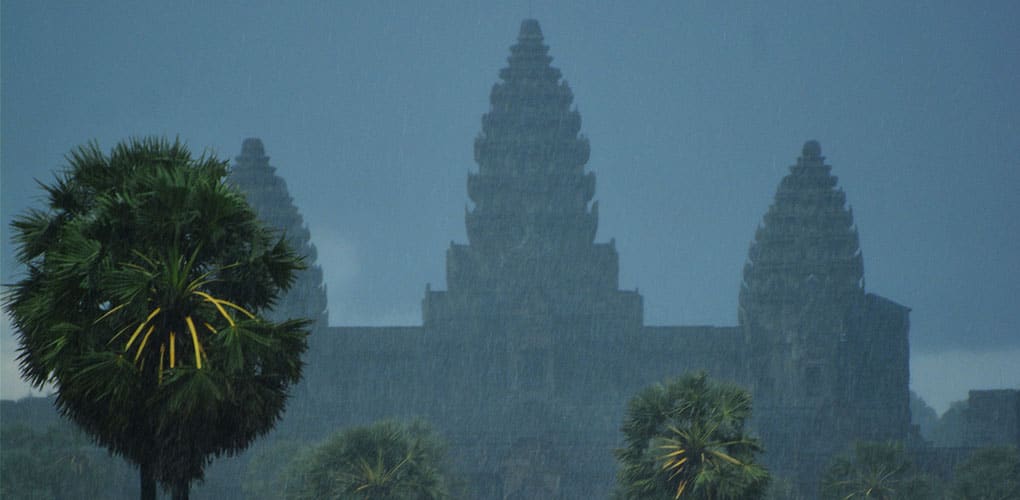
It rains a lot, especially in the afternoon, but the rainy season transforms the temples of Angkor into a lush green wonderland. The rain also keeps many visitors away, so the temples are much quieter. Just bring rain gear and be prepared for the trail to be slippery.
Tip: Generally the driest times of day are early morning and late afternoon, so try to plan your visits during these periods for the best experience.
Angkor Wat and Bayon are the most famous temples but the Angkor Archeological Park is huge and there are plenty of quieter places to explore. Temples like Preah Khan, Banteay Srei, and Ta Som offer incredible beauty and a more peaceful atmosphere, often without the throngs of visitors you’ll encounter at the main sites.
If you have a guide who knows Cambodia he can take you to the hidden gems of the park away from the most crowded parts. Rain Proun , you with a great historical background and let you find more hidden places where you can take a moment for yourself.

Weekends tend to attract more local visitors, so if possible, plan your visit for a weekday. This advice is especially true during the high season when large tour groups frequent the temples.
Don’t let the weather deter you from visiting during the rainy season. In heavy rain many visitors head indoors so you can explore in peace. It is this season only that the raindrops falling over the ancient ruins create a mystical atmosphere.
Avoid or embrace cultural events and holidays
Cambodian New Year is a major holiday in Cambodia, celebrated in mid-April. During this time, the temples locals and visitors alike flock to the temples with locals and visitors alike, making it one of the busiest periods to visit Angkor Wat. Unless you’re eager to experience the festival, it’s best to avoid visiting during this time.
Other local festivals, such as Pchum Ben or the Water Festival, also see a rise in visitor numbers. The crowds can be overwhelming, but they also offer a unique cultural experience if you are interested in seeing the temples being used as active religious sites during these times.
The secret to actually experiencing the awe-inspiring beauty of Angkor Wat without the crowds is to know how many days you need in Siem Reap and plan your trip according to season and time of day. Best Time to Visit Angkor Wat It’s a matter of personal preference – do you want the comfortable weather or a quieter experience?

Three days is enough to do one Cambodian city properly, not all at once. Here are...
Siem Reap is best known for its temples, but the region covers far more than the...
Learn the right Siem Reap itinerary length from a local expert, Rain Proun 3-day, 4-day extended,...
